


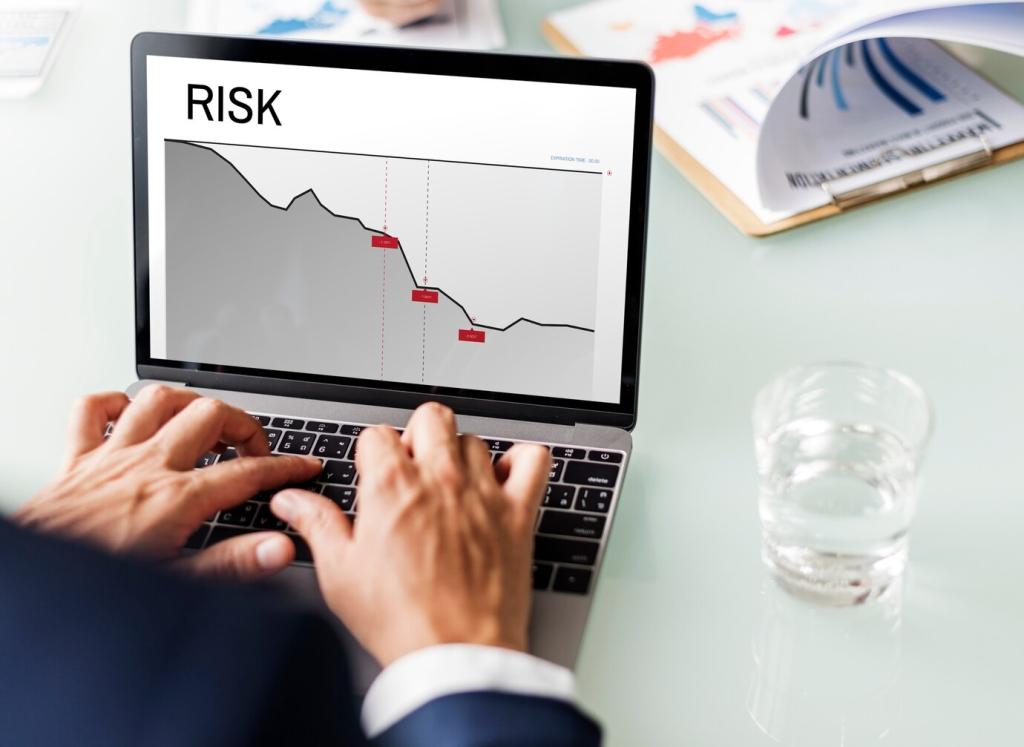
Selected theme: Enterprise Risk Management Systems. Explore how a modern ERM system unifies risks, controls, data, and decisions so your organization anticipates uncertainty and acts with confidence. Join the conversation, subscribe, and help shape tomorrow’s smarter risk practices.

What Enterprise Risk Management Systems Really Do

From Ad‑hoc Spreadsheets to Unified Risk Platforms

Many teams start with scattered spreadsheets, heroic emails, and inconsistent assessments. An ERM system consolidates registers, assessments, and action plans, creating traceability, accountability, and a single source of truth leaders can actually trust.
COSO ERM and ISO 31000 emphasize governance, integration with strategy, and disciplined processes. Map your fields and workflows to these concepts so every assessment, control, and report aligns with recognizable, defensible best practice.

Frameworks That Anchor Effective ERM

Translate appetite statements into thresholds, triggers, and KRIs inside the system. When a metric crosses a limit, route actions automatically, guiding managers to respond quickly rather than debating definitions during stressful moments.

Frameworks That Anchor Effective ERM

Data, Analytics, and Insightful Indicators

Good KRIs are predictive, explainable, and timely. Choose measures with dependable data, define thresholds, and visualize trends. Invite readers to share their most effective KRIs and subscribe for our upcoming KRI design checklist.

Data, Analytics, and Insightful Indicators

Model credible threats, estimate impacts, and rehearse responses. An ERM system stores assumptions, links mitigations, and tracks lessons learned, turning tabletop exercises into tangible improvements rather than academic exercises forgotten after workshops.

Implementing an ERM System Without Losing Momentum

Start with a thin slice: one business unit, a critical process, and a handful of risks. Map influencers, skeptics, and sponsors. Publish a visible roadmap so everyone understands what is live, what is next, and why it matters.

Implementing an ERM System Without Losing Momentum

Custom builds offer flexibility but demand engineering discipline. Off‑the‑shelf platforms accelerate value with templates and integrations. Most succeed by configuring standard modules first, then adding targeted extensions as maturity increases and needs become clearer.


Embedding ERM into Everyday Business

Strategy and Planning with Risk at the Table

Tie risk assessments to strategic objectives and initiatives. When objectives change, risks and controls update automatically. This keeps leadership conversations honest, balancing ambition with resilience in a transparent, repeatable way.

Linking ERM with Compliance and Internal Audit

Unify control libraries, testing schedules, and issues. Reduce duplicate evidence requests and focus audits where risk is rising. You gain cleaner reports, faster cycles, and fewer surprises when regulators or customers come asking tough questions.

Incident Response Loops That Actually Learn

Record incidents, classify root causes, and convert lessons into actions. Your ERM system should close the loop, proving that near‑misses and outages generate measurable improvements rather than recurring headlines that sap customer trust.

Technology Architecture and Security Foundations

Connect HR, finance, ticketing, and vendor systems to enrich risk data automatically. Document lineage, owners, and quality checks. Good governance ensures accurate metrics today and trustworthy historical trends tomorrow when patterns really matter.

Technology Architecture and Security Foundations

Use automation for reminders, scoring, and triage. Apply AI cautiously for anomaly detection and narrative summaries. Always keep human review, training data transparency, and bias checks, then share your lessons with our community of practitioners.

Reporting that Inspires Action and Accountability

01

Board‑Ready Narratives with the Right Level of Detail

Start with a concise risk story, then show trend lines, appetite breaches, and remediation status. Provide one‑click drill‑downs for curious directors without overwhelming everyone else. Invite feedback to refine the narrative every quarter.
02

Training, Culture, and the Rhythm of Risk

Short, frequent touchpoints beat annual marathons. Celebrate teams that report near‑misses early. Your system should track participation and outcomes so culture becomes observable, improvable, and resilient when turnover inevitably tests continuity.
03

Join the Community: Share Your Wins and Lessons

Tell us which dashboard, KRI, or playbook made the biggest difference in your organization. Comment below, subscribe for field‑tested templates, and help peers avoid the missteps you worked so hard to overcome.
Marmot-micchi
Privacy Overview

This website uses cookies so that we can provide you with the best user experience possible. Cookie information is stored in your browser and performs functions such as recognising you when you return to our website and helping our team to understand which sections of the website you find most interesting and useful.